
Blood sugar balance has become a growing concern for millions of people worldwide. Among natural compounds studied for metabolic support, the berberine supplement has gained significant attention. But what exactly is berberine, how does it work, and is it safe to use?
This guide explains everything you need to know, based on current research and practical considerations.
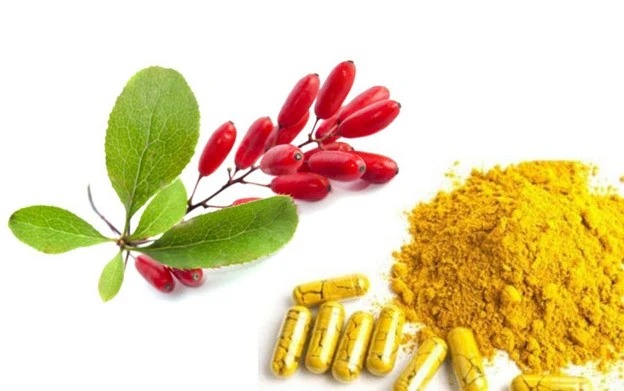
What Is a Berberine Supplement?
Berberine is a bioactive compound extracted from several plants, including Berberis, Goldenseal, and Oregon grape. Traditionally used in Chinese and Ayurvedic medicine, berberine is now commonly available in supplement form.
Unlike vitamins or minerals, berberine is classified as a plant alkaloid and is known for its interaction with metabolic pathways related to glucose and lipid metabolism.
How Does Berberine Work in the Body?
Berberine is primarily known for activating an enzyme called AMPK (AMP-activated protein kinase). AMPK plays a key role in regulating energy balance at the cellular level.
When AMPK is activated, it may:
- Support improved glucose uptake by cells
- Help regulate insulin sensitivity
- Influence fat metabolism
- Support overall metabolic efficiency
Because of these mechanisms, berberine is often discussed in the context of blood sugar supplements and metabolic health support.
👉 You can learn more about this broader category in our guide on blood sugar supplements.
Potential Benefits of Berberine Supplementation
Research suggests berberine may support several aspects of metabolic health. It’s important to note that results can vary depending on individual factors such as diet, lifestyle, and overall health.
1. Blood Sugar Support
Berberine is most commonly associated with supporting healthy blood glucose levels when used alongside proper diet and lifestyle habits.
2. Insulin Sensitivity
Some studies indicate berberine may help improve how cells respond to insulin, which is a key factor in metabolic balance.
3. Lipid and Cholesterol Support
Berberine has also been studied for its potential role in supporting healthy cholesterol and triglyceride levels.
4. Gut Health Interaction
Emerging research suggests berberine may influence gut microbiota, which plays a role in metabolic and immune function.

Berberine Dosage: What Is Commonly Used?
There is no universally “correct” dose, but most clinical studies use amounts ranging from:
- 900 mg to 1,500 mg per day
- Typically divided into 2–3 doses with meals
Because berberine has a relatively short half-life, splitting doses throughout the day is commonly recommended.
⚠️ Always follow label instructions and consult a healthcare professional before starting any supplement.
Possible Side Effects of Berberine
While many people tolerate berberine well, some may experience mild side effects, especially at higher doses.
Commonly reported effects include:
- Digestive discomfort
- Bloating
- Constipation or diarrhea
- Stomach cramps
These effects are often reduced by starting with a lower dose and gradually increasing.
Who Should Avoid Berberine?
Berberine may not be suitable for everyone.
You should avoid or seek medical advice if you:
- Are pregnant or breastfeeding
- Take medications for blood sugar or blood pressure
- Are on antibiotics or medications metabolized by the liver
- Have a chronic medical condition
Berberine can interact with certain medications, so professional guidance is essential.
Berberine vs Other Blood Sugar Ingredients
Berberine is often compared with ingredients such as:
- Cinnamon extract
- Chromium picolinate
- Alpha-lipoic acid
- Bitter melon
Some supplements combine berberine with these ingredients to create a more comprehensive formula. These blends are commonly found in blood sugar support supplements designed for daily use.
How to Choose a Quality Berberine Supplement
When selecting a berberine supplement, consider the following:
- Clear labeling of berberine HCl
- Transparent dosage information
- Third-party testing or quality certifications
- Minimal fillers or artificial additives
Many consumers prefer products that combine berberine with complementary ingredients, which is why it’s frequently included in metabolic and glucose support formulas.
Is Berberine a Medication?
No. Berberine is classified as a dietary supplement, not a prescription drug.
It is not intended to diagnose, treat, cure, or prevent any disease. Its role is to support metabolic health when used responsibly alongside a healthy lifestyle.
See More: Blood Sugar Supplements: How They Work & What to Know
Final Thoughts on Berberine Supplements
The berberine supplement stands out as one of the most researched plant-based compounds for metabolic support. Its interaction with key cellular pathways makes it a popular choice among individuals looking to support blood sugar balance naturally.
However, like all supplements, berberine is not a standalone solution. Diet, physical activity, and medical guidance remain essential components of long-term health.
Frequently Asked Questions (FAQ)
Is berberine safe for long-term use?
Some studies suggest berberine can be used safely for extended periods, but long-term use should always be discussed with a healthcare provider.
How long does it take to see results?
Some people report changes within a few weeks, while others may need longer. Results vary.
Can berberine replace medication?
No. Berberine should never replace prescribed medication without medical supervision.
See More: InsuFend Review: Is This the Most Effective Insulin-Support Supplement of the Year?
See Also: GlucoTonic Review: A Complete Breakdown of Its Ingredients, Benefits & Real Results
Learn more at: Viral Products Review WebSite
About the Author

1 thought on “Berberine Supplement: Benefits, Dosage & Safety Guide”