
How to Create a Sustainable Weight Loss Routine Without Extreme Dieting
Creating a sustainable weight loss routine is one of the most important steps for anyone who wants long-term results without falling into cycles of extreme dieting, rebound weight gain, and constant frustration. Many people attempt restrictive diets because they promise fast results, but what most fail to realize is that rapid dieting can backfire. It slows your metabolism, increases cravings, disrupts hormones, and leads to unhealthy cycles of over-eating that make long-term progress almost impossible.
A truly sustainable routine does not rely on willpower alone. Instead, it is built on small, repeatable habits that naturally support fat loss. These habits become part of your lifestyle, making weight loss feel less like a temporary project and more like a permanent transformation. In this expanded guide, we will break down every step to help you create a routine that works for the long run.
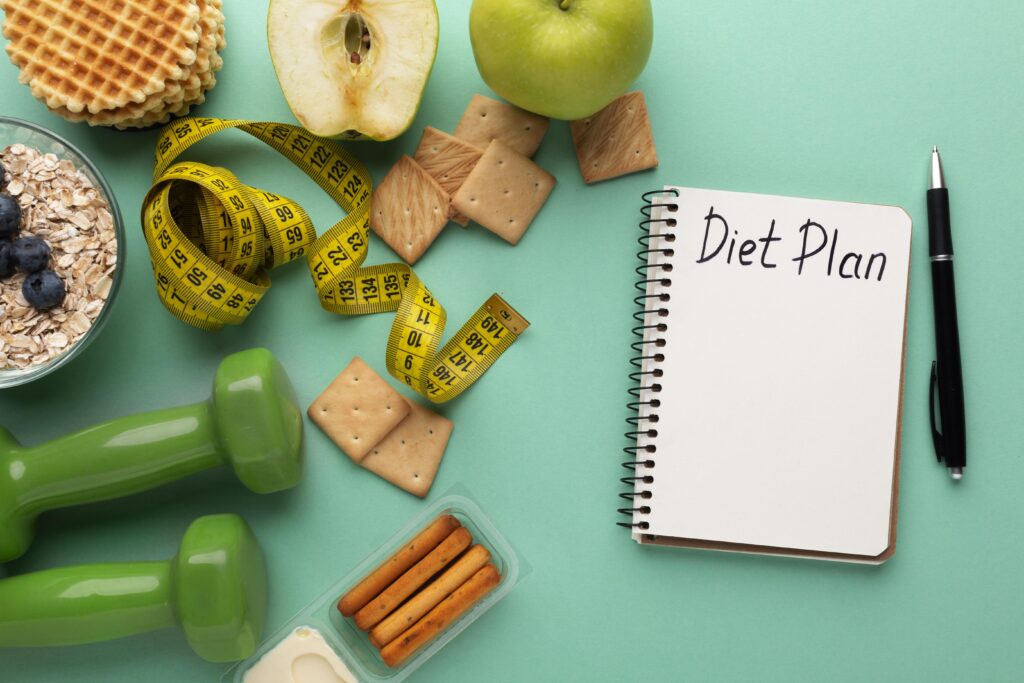
Why Extreme Dieting Fails for Most People
Extreme dieting often looks successful in the beginning because the scale drops quickly. However, much of this initial weight loss comes from water, glycogen, and even muscle mass—not actual fat loss. When calories are drastically reduced, the body responds by slowing metabolism as a survival mechanism.
This metabolic slowdown means you burn fewer calories at rest, making future weight loss harder. Hunger hormones such as ghrelin increase, while satiety hormones like leptin decrease. This combination leads to intense cravings, mood swings, low energy, and a higher likelihood of binge eating.
Psychologically, extreme diets also create an all-or-nothing mentality. Foods become labeled as “forbidden,” which increases desire for them. Once the diet ends, people tend to overeat these foods, regaining weight rapidly. This cycle becomes discouraging and often leads to quitting altogether.
A sustainable routine avoids all of this by focusing on realistic, enjoyable habits that support fat loss without shocking the body.
Setting Realistic Weight Loss Expectations
A major mistake many people make is aiming for unrealistic deadlines. They want to lose weight fast because they’re motivated now, but motivation fluctuates. What remains consistent are habits. Sustainable routines emphasize long-term thinking rather than quick fixes.
A safe and realistic rate of weight loss is around 0.5 to 1 kilogram per week. Although slower than extreme diets, this approach preserves muscle mass, keeps hormones stable, and protects your metabolism. Over several months, this slow and steady progress leads to impressive long-term results.
When you set expectations based on realistic timelines, you avoid frustration and create an environment where consistency can thrive.
How to Build Habits That Support Long-Term Fat Loss
Sustainable weight loss is built on habits repeated daily, not strict rules followed for a few weeks. The key is to focus on small actions you can maintain without dramatic lifestyle shifts. For example, drinking water before meals, taking a morning walk, or preparing simple balanced meals are habits that feel manageable even during stressful times.
The secret is progression. Start small and build over time. When habits become comfortable, add gradually. This layering approach strengthens consistency without overwhelming you. Over months, these habits stack into a powerful routine that supports fat loss effortlessly.
The ultimate goal is for your habits to become automatic. Once a habit becomes part of your identity—such as “I’m someone who walks every morning” —it becomes far easier to maintain.
Building a Balanced Nutrition Foundation
Nutrition is one of the most powerful tools for sustainable weight loss, but it doesn’t need to be overly complicated. Instead of cutting calories drastically, focus on increasing the quality of your food. Whole foods nourish the body, provide stable energy, and help reduce cravings naturally.
A balanced plate normally includes:
- Protein: chicken, fish, eggs, tofu, legumes
- Healthy fats: olive oil, avocados, nuts, seeds
- Whole carbohydrates: quinoa, brown rice, sweet potatoes, oats
- Vegetables: leafy greens, colorful vegetables, fiber-rich options
Protein is particularly important because it supports muscle preservation during weight loss. Muscle increases metabolic rate, meaning your body burns more calories even at rest. Healthy fats assist hormone production and blood sugar stability. Fiber-rich carbs provide energy and improve digestion.
Instead of restricting foods, think about adding more nutrient-dense options. When your body receives the nutrients it needs, it becomes easier to lose weight without feeling hungry or deprived.
How to Structure Meals for Consistency and Metabolic Support
Meal timing and structure play an important role in sustainable weight loss. While you don’t need a rigid eating schedule, creating a consistent routine helps regulate hunger and reduces the likelihood of overeating later in the day.
Many people benefit from eating three balanced meals and one nutritious snack daily. This prevents long periods of hunger that lead to binge eating. Eating meals with consistent protein also stabilizes blood sugar and reduces cravings.
If you prefer intermittent fasting, it can be effective too—only if it feels natural for you. The key is choosing an eating window that doesn’t trigger extreme hunger. Sustainable routines always prioritize balance over restriction.
Exercise as a Tool, Not a Punishment
Exercise is essential for health and weight loss, but it should never feel like punishment for eating. In sustainable routines, movement becomes a celebration of what your body can do, not a way to burn calories obsessively.
Low- to moderate-intensity exercise is often more sustainable and more enjoyable. This includes walking, cycling, dancing, yoga, and Pilates. Not only do these activities support fat loss, but they also reduce stress, improve mood, and increase energy.
Strength training is particularly effective for sustainable weight loss. Building muscle helps boost metabolism, improve body composition, and maintain long-term results. You don’t need heavy weights or complicated routines—bodyweight exercises are a great place to start.
The key is choosing activities you enjoy. When movement is enjoyable, it becomes easier to remain consistent long-term.
Understanding Stress and Its Impact on Weight Loss
Stress is one of the most overlooked factors in weight loss. Chronic stress increases cortisol levels, which can trigger cravings for sugary or high-fat foods. Cortisol also encourages fat storage, especially in the belly area.
A sustainable routine includes stress management practices to keep cortisol levels balanced. This can include:
- Meditation or mindfulness exercises
- Deep breathing techniques
- Gentle stretching or yoga
- Spending time outdoors
- Listening to calming music
- Engaging in creative hobbies
Small daily actions can significantly lower stress and improve your overall weight loss progress.
The Importance of Sleep for Fat Loss and Hormonal Balance
Sleep is one of the strongest predictors of successful, sustainable weight loss. When you don’t sleep enough, your hormones become unbalanced. Ghrelin increases, making you hungrier, while leptin decreases, making it harder to feel full.
Poor sleep also affects decision-making, impulse control, and emotional regulation. This increases the likelihood of emotional eating and cravings. Aim for seven to nine hours of quality sleep every night.
Creating a sleep routine can make a big difference. Try limiting screen time before bed, keeping a consistent sleep schedule, and creating a comfortable sleep environment.
Hydration as a Key Element of Sustainable Weight Loss
Hydration is one of the simplest and most effective habits for supporting long-term weight loss, yet many people overlook it. When the body is dehydrated, hunger signals often increase because thirst can be mistaken for hunger. This leads people to eat when they actually need water.
Drinking water regularly improves digestion, supports metabolism, and helps transport nutrients throughout the body. It also supports the liver, which plays a major role in processing stored fat. When the liver is functioning efficiently, fat metabolism improves naturally.
A helpful strategy is to drink a full glass of water in the morning, before meals, and throughout the day. Adding electrolytes or mineral-rich beverages can further improve hydration, especially for people who exercise regularly. Making hydration a core part of your routine is an easy win because it requires no restrictive dieting and no major lifestyle changes.
Creating a Mindful Eating Environment
Mindful eating is an essential part of any sustainable weight loss routine. It involves being present during meals and paying attention to hunger cues, fullness levels, and emotional triggers. When people eat while distracted—such as watching television, scrolling on their phones, or working—they tend to consume more food without realizing it.
Creating a mindful eating environment begins with removing distractions during meals. It helps to sit down, breathe deeply before eating, and chew slowly. This allows your body to properly recognize satiety signals and reduces the likelihood of overeating.
You can also practice portion control strategies, such as using smaller plates, serving food in the kitchen instead of at the table, and storing snacks out of sight. These simple adjustments can make a significant difference in long-term weight management without feeling restrictive.
Allowing Flexibility to Prevent Restriction Fatigue
One of the biggest mistakes people make when trying to lose weight is eliminating their favorite foods completely. This often leads to what is known as “restriction fatigue.” When you feel deprived, cravings escalate and willpower weakens over time. The result is often emotional eating or binge episodes that derail progress.
A sustainable routine includes flexibility. It allows you to incorporate treats occasionally without guilt. Instead of labeling foods as “bad,” focus on mindful moderation. Enjoying a dessert once in a while will not sabotage your weight loss journey. In fact, planned indulgence helps many people stay consistent long-term.
A flexible mindset promotes balance and removes the emotional pressure associated with dieting. When you don’t feel restricted, you are more likely to stay committed to your healthy habits.
Tracking Progress Holistically
Many people rely solely on the scale to measure weight loss progress, but the scale only shows a small part of the picture. Weight fluctuates daily due to water retention, hormonal changes, digestion, and sodium levels. This can create unnecessary stress and discouragement.
Holistic tracking methods give you a more accurate understanding of your progress. These can include:
- Measuring body circumference
- Tracking body fat percentage
- Evaluating energy levels
- Monitoring sleep quality
- Paying attention to mood and mental clarity
- Noticing how clothes fit
- Taking progress photos every two to four weeks
These indicators often reveal significant improvements even when the scale remains unchanged. Over time, holistic tracking helps you see the benefits of your routine beyond just weight.
Building a Routine That Fits Your Lifestyle
A sustainable weight loss routine must align with your lifestyle. If you choose habits that feel forced or inconvenient, you are less likely to maintain them. This is why copying extreme routines from social media influencers often leads to failure. Your routine should reflect your personality, schedule, preferences, and physical abilities.
For example, if you dislike running, do not force yourself to run daily. If you enjoy cycling or walking, build your movement routine around that. If cooking elaborate meals feels overwhelming, choose simple recipes that can be prepared quickly.
Consistency is far more important than perfection. A routine you can maintain for years is the true definition of sustainability.
Planning Ahead to Avoid Setbacks
Planning is essential for long-term weight loss success. Many setbacks occur when people find themselves unprepared—whether it’s forgetting to pack lunch, not having healthy snacks available, or eating late because nothing is prepared.
To avoid these situations, try incorporating basic planning strategies, such as:
- Preparing simple meals in advance
- Keeping healthy snacks available
- Creating a weekly grocery list
- Planning your workouts ahead of time
- Scheduling time for rest and recovery
These small actions reduce stress and make it easier to stay on track. Planning does not need to be complicated; even 10 minutes of preparation can make a huge difference.
How to Boost Motivation Without Relying on Willpower
Motivation is helpful, but it is not reliable. Sustainable routines rely on discipline, environment design, and identity-based habits—not motivation alone. You can boost motivation by focusing on small wins and celebrating progress.
Some strategies to stay motivated include:
- Tracking habits with a daily checklist
- Setting weekly or monthly goals
- Celebrating non-scale victories
- Joining supportive communities
- Rewarding yourself with non-food incentives
- Visualizing your long-term goals
The key is to build momentum. Once you begin to see progress in how you look, feel, and move, motivation grows organically.
Dealing With Plateaus the Sustainable Way
Every weight loss journey includes plateaus. They are normal and happen when the body adapts to your routine. Many people panic when progress slows and resort to extreme dieting to “break through” the plateau. This approach only damages metabolism and creates frustration.
A sustainable routine handles plateaus calmly. Instead of slashing calories, you can:
- Increase protein intake
- Change your workout routine
- Improve sleep quality
- Manage stress more effectively
- Increase NEAT activity
- Adjust your calorie intake slightly
- Add strength training
These adjustments encourage further progress without sacrificing your long-term goals. Patience is essential—plateaus are a natural part of the process.
The Role of Supplements in a Sustainable Weight Loss Routine
Supplements should never be the foundation of a weight loss routine, but they can be helpful when used correctly. Quality supplements can support metabolism, energy levels, digestion, and hormonal balance. However, they should always complement a healthy lifestyle, not replace one.
Common helpful supplements include:
- Metabolism boosters with natural ingredients
- Fiber supplements for improved digestion
- Omega-3s for hormonal balance
- Probiotics for gut health
- Protein powder for convenience
Researching supplements and choosing reputable brands is essential. Sustainable routines rely on real habits first and supplements second.
Navigating Social Events Without Sabotaging Progress
Many people struggle to maintain weight loss routines during social events, celebrations, or vacations. These scenarios can introduce unhealthy foods, oversized portions, and pressure from friends or family. A sustainable approach prepares you mentally and strategically.
You can remain consistent by:
- Eating a healthy meal beforehand
- Drinking water throughout the event
- Practicing portion control
- Choosing one treat instead of multiple
- Being mindful of alcohol intake
- Prioritizing conversation over food
- Avoiding restrictive mindsets
These strategies allow you to enjoy life without sacrificing your goals. Sustainable routines must support real-life situations, not isolate you from them.
Creating a Long-Term Maintenance Plan
Many people reach their weight loss goal and then revert to old habits, leading to weight regain. This happens because they didn’t establish a maintenance phase. Sustainable routines plan for what happens after weight loss, not just during it.
A maintenance plan may include:
- Continuing strength training
- Maintaining healthy eating habits
- Staying hydrated
- Monitoring weight monthly
- Keeping stress and sleep under control
- Staying active daily
Maintenance does not require perfection. It requires mindfulness and consistency. The habits you build during weight loss become the foundation for lifelong health.
See Also: OrexiBurn Review: Ingredients, Benefits, Side Effects & Real Results
Final Thoughts
Creating a sustainable weight loss routine without extreme dieting is one of the most empowering decisions you can make for your health. Instead of following quick fixes, you build a lifestyle that supports your physical, mental, and emotional well-being. This approach protects your metabolism, stabilizes hormones, reduces stress, and improves your relationship with food.
The key is consistency—not perfection. Small daily actions, repeated over time, produce powerful results. When you nourish your body, stay active, sleep well, manage stress, and create routines that align with your lifestyle, weight loss becomes natural instead of forced.
Sustainable weight loss is not about eating less. It’s about living better.
See More: 10 Proven Ways to Stabilize Blood Sugar Naturally at Any Age
Learn more at: Viral Products Review WebSite
About the Author