
Early Signs of Prediabetes: How to Recognize and Reverse Them Naturally
Prediabetes is a silent condition that often develops unnoticed. Millions of people worldwide have elevated blood sugar levels that are not yet high enough to be classified as type 2 diabetes. Recognizing the early signs of prediabetes is crucial for taking preventive action and avoiding long-term health complications.
Understanding your body and its signals can help you make lifestyle changes that stabilize blood sugar, improve insulin sensitivity, and promote overall metabolic health.
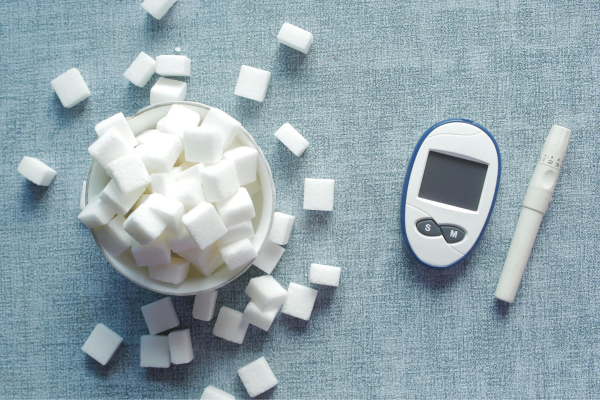
Why Early Detection Matters
Ignoring the early signs of prediabetes can lead to serious health issues. High blood sugar over time increases the risk of:
- Type 2 diabetes
- Heart disease and stroke
- Kidney damage
- Nerve damage
- Vision problems
Catching these signs early allows you to implement natural strategies to reverse or manage prediabetes effectively.
Common Early Signs of Prediabetes
Prediabetes often shows subtle symptoms that are easy to overlook. Here are the most common early indicators:
1. Increased Thirst and Frequent Urination
Elevated blood sugar can cause your kidneys to work harder to filter glucose, leading to increased urination. This can also result in dehydration, triggering excessive thirst.
2. Unexplained Fatigue
Blood sugar fluctuations can reduce the efficiency of your cells in converting glucose into energy, leaving you feeling tired, lethargic, or mentally foggy throughout the day.
3. Unintended Weight Changes
Some people with prediabetes experience weight gain, particularly around the abdomen, due to insulin resistance. Others may notice unintentional weight loss if glucose is lost through frequent urination.
4. Increased Hunger or Sugar Cravings
Insulin resistance can cause your body to struggle with maintaining stable glucose levels, triggering frequent hunger and strong cravings for sugary or carb-heavy foods.
5. Slow-Healing Cuts or Infections
High blood sugar can impair your immune system and reduce blood flow, making it harder for your body to heal wounds or fight infections.
6. Tingling or Numbness in Hands or Feet
Early nerve damage, also known as neuropathy, can begin during prediabetes. This may cause tingling, numbness, or burning sensations, especially in the extremities.
Factors That Increase Prediabetes Risk
Several lifestyle and health factors increase the likelihood of developing prediabetes:
- Sedentary lifestyle
- Poor diet high in refined sugar and processed foods
- Obesity, especially central abdominal fat
- Family history of diabetes
- Age over 40
- High blood pressure or cholesterol issues
Understanding these risk factors helps you target the lifestyle changes needed to reverse prediabetes early.
How to Reverse Prediabetes Naturally
Once you recognize the early signs of prediabetes, you can take proactive steps to restore healthy blood sugar levels. Lifestyle adjustments are the most effective and sustainable approach.
1. Adopt a Balanced, Low-Glycemic Diet
Focus on foods that stabilize glucose levels:
- High-fiber vegetables: broccoli, spinach, kale
- Whole grains: quinoa, oats, barley
- Lean proteins: fish, chicken, tofu, legumes
- Healthy fats: avocado, nuts, olive oil
Avoid processed foods, sugary beverages, and refined carbs that spike blood sugar. Eating smaller, frequent meals can also help maintain stable energy levels.
2. Incorporate Regular Physical Activity
Exercise helps your body use glucose more efficiently and improves insulin sensitivity. Effective activities include:
- Brisk walking or jogging: 30–45 minutes daily
- Strength training: 2–3 times per week to build muscle
- Yoga or stretching: improves circulation and reduces stress
Even short bouts of movement after meals can significantly reduce glucose spikes.
3. Maintain a Healthy Weight
Excess weight, particularly around the abdomen, increases insulin resistance. Combining diet and exercise to gradually lose weight can dramatically improve blood sugar control.
4. Prioritize Quality Sleep
Poor sleep disrupts hormones like insulin and cortisol, contributing to elevated blood sugar. Aim for 7–9 hours of quality sleep per night. Tips include:
- Maintain a consistent sleep schedule
- Limit caffeine and screen time before bed
- Create a calm, dark sleeping environment
5. Manage Stress Effectively
Chronic stress can elevate blood sugar and increase cravings for unhealthy foods. Strategies include:
- Deep breathing exercises
- Meditation or mindfulness practices
- Light daily movement
- Spending time in nature
6. Monitor Your Blood Sugar Regularly
Tracking your glucose levels helps you understand how your body responds to food, exercise, and lifestyle changes. This early insight allows for timely adjustments.
7. Consider Evidence-Based Supplements
Certain natural supplements may support blood sugar balance and insulin sensitivity, especially when paired with diet and lifestyle changes. Always consult a healthcare professional before starting any new supplement.
When to Seek Medical Advice
Even with lifestyle changes, it’s important to consult a doctor if you experience:
- Persistently high fasting blood sugar
- Rapid or unexplained weight loss
- Severe fatigue or dizziness
- Numbness or tingling in extremities
- Frequent infections or slow-healing wounds
Early medical intervention can prevent progression to type 2 diabetes.
Final Thoughts
Recognizing the early signs of prediabetes empowers you to take action before serious complications arise. By combining a balanced diet, regular exercise, stress management, sufficient sleep, and healthy habits, most people can stabilize blood sugar naturally and reduce long-term risks.
Preventive care is always more effective than treatment. The sooner you respond to subtle changes in your body, the greater your chance of reversing prediabetes and maintaining long-term metabolic health.
See More: SugarMute Review: Benefits, Ingredients, Side Effects & Real User Experiences
FAQ – Early Signs of Prediabetes
What are the earliest signs of prediabetes?
Early signs of prediabetes include frequent urination, excessive thirst, fatigue, increased hunger, blurred vision, and mild weight changes. Recognizing these symptoms early can help prevent progression to type 2 diabetes.
Can prediabetes be reversed naturally?
Yes! Lifestyle changes such as a balanced low-glycemic diet, regular exercise, weight management, quality sleep, and stress reduction can help stabilize blood sugar and reverse prediabetes in many cases.
How often should I check my blood sugar if I notice early signs of prediabetes?
Regular monitoring is key. Checking fasting blood sugar at least once a week or as recommended by your healthcare provider can help track improvements and adjust your lifestyle plan accordingly.
Are there any supplements that can help with prediabetes?
Some natural supplements may support healthy glucose levels and insulin sensitivity. Always consult a healthcare professional before starting any supplement to ensure safety and effectiveness.
How quickly can lifestyle changes impact blood sugar levels?
Positive effects can often be seen within a few weeks of consistent changes in diet, exercise, and stress management. Long-term adherence is essential for sustained results.
When should I see a doctor regarding prediabetes?
If blood sugar remains high despite lifestyle changes, or if you experience severe symptoms like frequent urination, dizziness, numbness, or unexplained weight loss, consult a healthcare provider promptly.
Does age affect the risk of prediabetes?
A7: Yes. Risk increases with age, particularly after 40, but lifestyle factors like diet, activity level, and weight play a significant role at any age. Early detection is crucial.
See More: 10 Proven Ways to Stabilize Blood Sugar Naturally at Any Age
Learn more at: Viral Products Review WebSite
About the Author