
Managing blood sugar levels is a growing concern for adults of all ages. High A1C levels can indicate prediabetes or type 2 diabetes, conditions that affect millions worldwide. While medications can help, many people are searching for natural ways to maintain healthy glucose levels and reduce long-term complications. Learning how to lower A1C naturally empowers you to take control of your health, improve energy, and support your metabolic system without over-reliance on prescription drugs.
This comprehensive guide explores practical lifestyle strategies, dietary modifications, and evidence-based natural methods that may help stabilize blood sugar and reduce A1C levels over time. By adopting these approaches, you can support your body’s natural ability to regulate glucose while improving overall well-being.
Why Lowering A1C Naturally Is Important
A1C is a critical marker of your average blood glucose over the past two to three months. Keeping A1C within a healthy range is essential for reducing the risk of serious complications, including:
- Cardiovascular disease: High A1C levels increase the risk of heart attack, stroke, and hypertension.
- Nerve damage (neuropathy): Elevated blood sugar over time can cause tingling, numbness, and pain in the hands and feet.
- Kidney damage (nephropathy): Excess glucose stresses the kidneys, potentially leading to chronic kidney disease.
- Eye damage (retinopathy): Diabetes-related eye complications can lead to vision loss.
- Immune system strain: Poor glucose control can make the body more susceptible to infections.
Taking steps to lower A1C naturally not only helps prevent these complications but also promotes better energy, mood, and long-term metabolic balance.
Key Lifestyle Strategies to Lower A1C Naturally
1. Adopt a Balanced, Low-Glycemic Diet
One of the most effective ways to reduce A1C is through diet. Focus on:
- High-fiber foods: Vegetables, legumes, whole grains, and fruits slow glucose absorption.
- Lean proteins: Chicken, fish, tofu, and eggs help stabilize blood sugar.
- Healthy fats: Olive oil, avocado, and nuts support cellular health and hormone balance.
Minimizing refined sugars, sugary beverages, and processed carbs reduces glucose spikes and supports steady insulin function. Practical tips include replacing white rice or bread with quinoa or whole-grain alternatives and snacking on nuts instead of candy.
2. Exercise Regularly and Consistently
Physical activity is one of the most potent tools for lowering A1C naturally. Exercise improves insulin sensitivity, helping your muscles absorb glucose more efficiently.
- Cardio: Walking, jogging, or cycling for 30–45 minutes most days of the week.
- Strength training: Building muscle improves basal glucose metabolism, even at rest.
- Flexibility and balance exercises: Yoga or Pilates also support circulation and stress reduction, which indirectly improves glucose control.
Consistency is key—sporadic workouts are less effective than a regular routine.
3. Maintain a Healthy Body Weight
Excess abdominal fat is closely linked to insulin resistance and elevated A1C levels. Even a modest 5–10% reduction in body weight can lead to significant improvements in blood sugar regulation. Incorporate both diet and physical activity strategies to achieve sustainable weight management.
4. Manage Stress Effectively
Chronic stress elevates cortisol levels, which can increase blood sugar and interfere with insulin function. Long-term stress may also lead to emotional eating and poor sleep, further complicating glucose control. Effective stress management techniques include:
- Mindful meditation or deep breathing exercises
- Short daily walks in nature
- Journaling or cognitive behavioral strategies
- Yoga or stretching routines
Reducing stress helps your body regulate glucose naturally and may contribute to lower A1C readings over time.
5. Prioritize Quality Sleep
Sleep is a critical but often overlooked factor in glucose regulation. Poor sleep disrupts hormone balance, including insulin and ghrelin, which control appetite and blood sugar. Aim for 7–9 hours of restorative sleep per night. Simple practices include:
- Maintaining a consistent bedtime and wake-up schedule
- Limiting screen time before bed
- Creating a dark, quiet, and cool sleeping environment
Even small improvements in sleep quality can positively affect A1C levels.
6. Stay Hydrated and Avoid Sugary Drinks
Proper hydration supports kidney function and helps the body flush excess glucose efficiently. Replacing soda, fruit juices, and energy drinks with water or herbal teas reduces unnecessary sugar intake and supports metabolic balance.
7. Consider Natural Supplements (Optional)
Some natural supplements have shown potential in supporting healthy blood sugar levels. Ingredients like cinnamon extract, berberine, alpha-lipoic acid, and chromium may help improve insulin sensitivity and glucose metabolism. Always consult a healthcare professional before starting any supplement, especially if you are on medication.
8. Monitor Your Progress
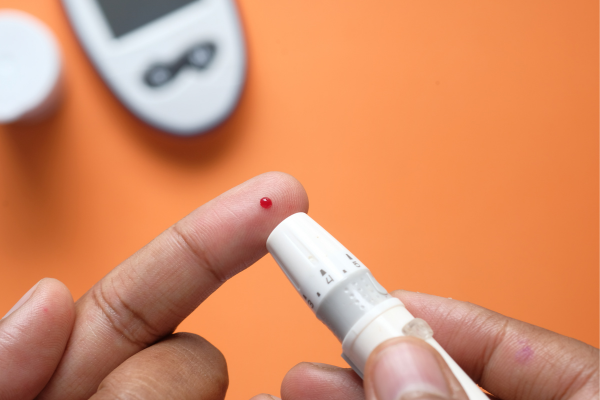
Tracking your blood sugar and A1C levels helps you understand what strategies are working. Use:
- Home glucose monitors
- Regular A1C testing through your healthcare provider
- Food and activity journals
Monitoring encourages accountability and helps refine your natural strategies for lowering A1C.
Advanced Strategies to Lower A1C Naturally
After establishing core lifestyle habits, there are additional approaches to further support stable blood sugar and lower A1C naturally. These strategies combine diet, exercise, and mindfulness for long-term results.
1. Incorporate Intermittent Fasting (IF)
Intermittent fasting involves cycling between periods of eating and fasting. Research suggests IF can:
- Reduce insulin resistance
- Lower fasting blood sugar
- Improve cellular repair mechanisms
Common approaches include 16:8 (fasting 16 hours, eating during an 8-hour window) or 5:2 (normal eating 5 days, reduced calories 2 days). IF should be adopted gradually and with guidance if you have any medical conditions.
2. Focus on Low-Glycemic Snacks
Even minor dietary adjustments can influence A1C. Choose snacks that have a minimal impact on blood sugar:
- Nuts and seeds (almonds, walnuts, chia seeds)
- Greek yogurt (unsweetened)
- Vegetables with hummus or guacamole
- Hard-boiled eggs
Low-glycemic snacks stabilize energy, reduce cravings, and prevent glucose spikes between meals.
3. Enhance Insulin Sensitivity with Targeted Movement
Beyond general exercise, certain movements are particularly effective at improving glucose uptake:
- High-intensity interval training (HIIT): Short bursts of intense exercise followed by recovery periods
- Resistance circuits: Combining strength exercises with minimal rest
- Daily activity bursts: Short walks after meals improve post-meal glucose control
These practices increase muscle glucose uptake and lower A1C over time.
4. Include Anti-Inflammatory Foods
Chronic inflammation can interfere with insulin signaling. Including anti-inflammatory foods helps support natural glucose regulation:
- Fatty fish rich in omega-3 (salmon, sardines)
- Leafy greens (spinach, kale, collard greens)
- Berries (blueberries, strawberries)
- Turmeric and ginger
Reducing inflammatory foods like processed meats, refined sugars, and fried foods is equally important.
5. Support Gut Health
Emerging research links gut microbiome health to blood sugar regulation. Beneficial practices include:
- Consuming probiotic-rich foods like yogurt, kefir, or fermented vegetables
- Adding prebiotic fiber from garlic, onions, and asparagus
- Avoiding excessive antibiotics unless prescribed
A healthy gut helps regulate metabolism, inflammation, and insulin sensitivity, contributing to lower A1C levels.
6. Practice Mindful Eating
Mindful eating can reduce overeating and support glucose control:
- Eat slowly and savor each bite
- Focus on portion control
- Reduce distractions like TV or phones during meals
Being aware of hunger and fullness signals prevents unnecessary blood sugar spikes.
7. Regular Health Monitoring
Frequent monitoring helps identify patterns and make adjustments:
- Track glucose levels using a home monitor
- Schedule regular A1C tests (every 3–6 months)
- Record meals, physical activity, and stress levels
Monitoring allows proactive intervention before minor fluctuations become long-term problems.
Lifestyle Recap for Lowering A1C Naturally
Combining core and advanced strategies forms a sustainable approach:
- Balanced, low-glycemic meals with high fiber and lean proteins
- Regular aerobic and resistance exercise
- Stress management, sleep optimization, and hydration
- Intermittent fasting or timed eating patterns
- Anti-inflammatory foods and gut-supporting nutrition
- Mindful eating and portion control
- Continuous health monitoring
These habits work synergistically to naturally lower A1C and support long-term metabolic health.
FAQ
What is A1C and why is it important?
A1C measures your average blood sugar over the past 2–3 months. Maintaining a healthy A1C reduces the risk of diabetes complications.
Can lifestyle changes really lower A1C without medication?
Yes. Diet, exercise, stress management, sleep, and gut health can all contribute to lowering A1C naturally over time.
Which foods help stabilize blood sugar and A1C?
High-fiber vegetables, lean proteins, low-glycemic fruits, nuts, seeds, and anti-inflammatory foods like fatty fish and berries are most beneficial.
How does exercise affect A1C levels?
Physical activity improves insulin sensitivity, promotes glucose uptake by muscles, and helps stabilize blood sugar, leading to lower A1C.
Is intermittent fasting safe for lowering A1C?
Intermittent fasting can help reduce blood sugar levels, but it should be approached gradually and under medical supervision if you have existing health conditions.
How often should I monitor my A1C?
For most adults, every 3–6 months is recommended, but frequency may vary depending on your health status and doctor’s advice.
Can stress and sleep impact A1C?
Yes. Chronic stress raises cortisol, affecting blood sugar, and poor sleep can disrupt hormone balance and glucose regulation.
Are there supplements that can support A1C management?
Certain natural supplements may support blood sugar regulation, but they should complement, not replace, a healthy lifestyle. Always consult your healthcare provider before starting new supplements.
See More: InsuFend Review: Is This the Most Effective Insulin-Support Supplement of the Year?
See More Articles Like This: Viral Products Review WebSite
About the Author