
Many people assume that sudden blood sugar spikes only happen after eating sweets, but real-life glucose fluctuations are often much more complex. You can experience these spikes even when choosing seemingly healthy foods or following a balanced diet. The truth is that blood sugar regulation is influenced by numerous factors—some obvious, others surprisingly hidden.
This guide breaks down the causes of sudden blood sugar spikes, why they occur, and practical strategies to prevent them. Whether you are managing diabetes, prediabetes, insulin resistance, or just want more consistent energy throughout the day, understanding these triggers is the first step toward better glucose control.
Maintaining stable blood sugar isn’t just about avoiding sugar—it’s about understanding how your body responds to food, stress, and daily habits.
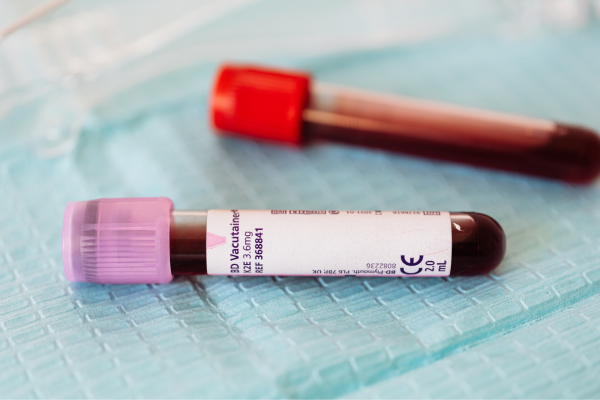
What Are Sudden Blood Sugar Spikes?
A sudden blood sugar spike occurs when glucose levels rise faster than the body can respond with insulin. These rapid increases trigger a cascade of effects, including:
- Increased inflammation
- Oxidative stress
- Hormonal imbalances
- Elevated demand on the pancreas
Short-term spikes often leave you feeling tired, irritable, or mentally foggy. Long-term, repeated sudden blood sugar spikes can contribute to insulin resistance, weight gain, and metabolic disorders.
Understanding the mechanics behind glucose spikes helps you identify and prevent them before they impact your health.
Common Food Triggers for Sudden Blood Sugar Spikes
Refined Carbohydrates and High-Glycemic Foods
Foods that digest quickly—such as white bread, pastries, sodas, and sugary snacks—flood the bloodstream with glucose in minutes. This sudden influx can overwhelm insulin, resulting in sharp spikes followed by rapid crashes.
Even foods marketed as “healthy” can trigger sudden blood sugar spikes if they are highly processed or stripped of fiber. Choosing whole grains and fiber-rich foods slows digestion, helping stabilize glucose levels.
Sugary Drinks and Fruit Juices
Liquid sugars bypass normal digestion, entering the bloodstream rapidly. Sweetened beverages, sports drinks, and even some fruit juices can trigger sudden blood sugar spikes faster than solid foods.
Switching to water, unsweetened teas, or whole fruits instead of juices can reduce these rapid glucose fluctuations.
Excessive Portion Sizes
Even healthy foods can cause spikes if eaten in large quantities. Overeating increases the glucose load, forcing insulin to work harder and often leading to sudden blood sugar spikes.
Practicing portion control and mindful eating helps keep blood sugar stable throughout the day.
Hidden Lifestyle Triggers of Sudden Blood Sugar Spikes
Stress and Cortisol Surges
High stress levels trigger cortisol release, which can elevate blood sugar by promoting glucose production in the liver. Chronic stress can lead to frequent sudden blood sugar spikes, even when diet is well-managed.
Stress-reducing techniques like meditation, deep breathing, or short walks can help prevent these spikes.
Lack of Physical Activity
Sedentary habits reduce glucose uptake by muscles, making it harder for the body to regulate blood sugar. Regular movement—such as walking after meals—helps prevent sudden blood sugar spikes by improving insulin sensitivity.
Sleep Disruptions
Poor sleep interferes with insulin function and glucose regulation. Even one night of inadequate sleep can increase the likelihood of sudden blood sugar spikes the next day. Prioritizing consistent, quality sleep supports stable glucose levels.
Practical Tips to Prevent Sudden Blood Sugar Spikes
- Pair carbohydrates with protein or healthy fats to slow glucose absorption
- Choose fiber-rich foods like vegetables, legumes, and whole grains
- Limit sugary drinks and processed snacks
- Eat smaller, balanced meals throughout the day
- Stay active, especially after meals
- Manage stress through mindfulness, breathing exercises, or light activity
- Maintain consistent sleep patterns
By addressing both dietary and lifestyle factors, you can significantly reduce sudden blood sugar spikes and support long-term metabolic health.
Advanced Strategies to Minimize Sudden Blood Sugar Spikes
While diet and lifestyle adjustments are the foundation, some additional strategies can further help stabilize glucose levels throughout the day.
Incorporate Gentle Exercise After Meals
Even a 10–15 minute walk after a meal can improve glucose uptake by muscles and reduce the likelihood of sudden blood sugar spikes. Other low-impact options include:
- Light cycling
- Yoga or stretching
- Resistance band exercises
Consistency is key—daily movement helps the body process glucose more efficiently.
Focus on Balanced Meal Composition
Pairing macronutrients properly can prevent rapid glucose rises:
- Protein: Supports muscle health and slows digestion
- Healthy fats: Avocados, olive oil, nuts
- Fiber: Vegetables, legumes, and whole grains
This combination slows sugar absorption and reduces the intensity of spikes.
Mind Your Timing
Spacing meals and snacks evenly throughout the day helps prevent overload on the pancreas and keeps glucose levels stable. Avoid skipping meals, as fasting followed by a large meal can trigger sudden blood sugar spikes.
Natural Supplements That Support Glucose Stability
Some scientifically-backed natural compounds can complement lifestyle changes:
- Berberine: Supports insulin sensitivity and glucose metabolism
- Cinnamon extract: Can help reduce post-meal spikes
- Alpha-lipoic acid (ALA): Antioxidant that aids glucose uptake
- Chromium picolinate: Supports normal blood sugar control
These supplements may help reduce sudden blood sugar spikes when combined with a balanced diet and active lifestyle.
When to Seek Professional Advice
Although mild glucose fluctuations are normal, consult a healthcare provider if you notice:
- Frequent extreme spikes or crashes
- Persistent fatigue despite healthy habits
- Sudden unexplained weight changes
- Pre-existing diabetes or other metabolic conditions
Early intervention prevents complications and ensures personalized guidance.
See Also: GlucoTonic Review: A Complete Breakdown of Its Ingredients, Benefits & Real Results
FAQ
What causes sudden blood sugar spikes?
Sudden blood sugar spikes can be triggered by high-glycemic foods, refined carbs, stress, lack of sleep, inactivity, and hormonal fluctuations. Even seemingly healthy meals can sometimes cause unexpected spikes.
How can I prevent rapid glucose fluctuations naturally?
Focus on balanced meals with protein, fiber, and healthy fats, engage in light exercise after meals, manage stress, maintain proper sleep, and avoid skipping meals. Supplements like berberine, cinnamon extract, and alpha-lipoic acid may also help.
Do beverages affect blood sugar spikes?
Yes. Sugary drinks, fruit juices, and sweetened coffee or tea can cause quick spikes. Even some energy drinks marketed as healthy can have a high glycemic load.
Is exercise really effective in controlling spikes?
Yes. Post-meal physical activity, even light walking or stretching, helps muscles absorb glucose efficiently, reducing the intensity and frequency of spikes.
Can stress cause blood sugar spikes?
Absolutely. Stress hormones like cortisol trigger glucose release from the liver, which can cause sudden increases even without eating. Managing stress is key to stable blood sugar.
Are natural supplements safe for blood sugar support?
Most evidence-backed supplements like berberine, cinnamon extract, chromium, and alpha-lipoic acid are generally safe for healthy adults, but it’s always best to consult a healthcare professional, especially if taking medications.
When should I see a doctor about glucose spikes?
Seek medical advice if spikes are frequent, extreme, or accompanied by fatigue, unexplained weight changes, or if you have diabetes or prediabetes. Early guidance helps prevent complications.
See More: InsuFend Review: Is This the Most Effective Insulin-Support Supplement of the Year?
Learn more at: Viral Products Review WebSite
About the Author